
Abstract
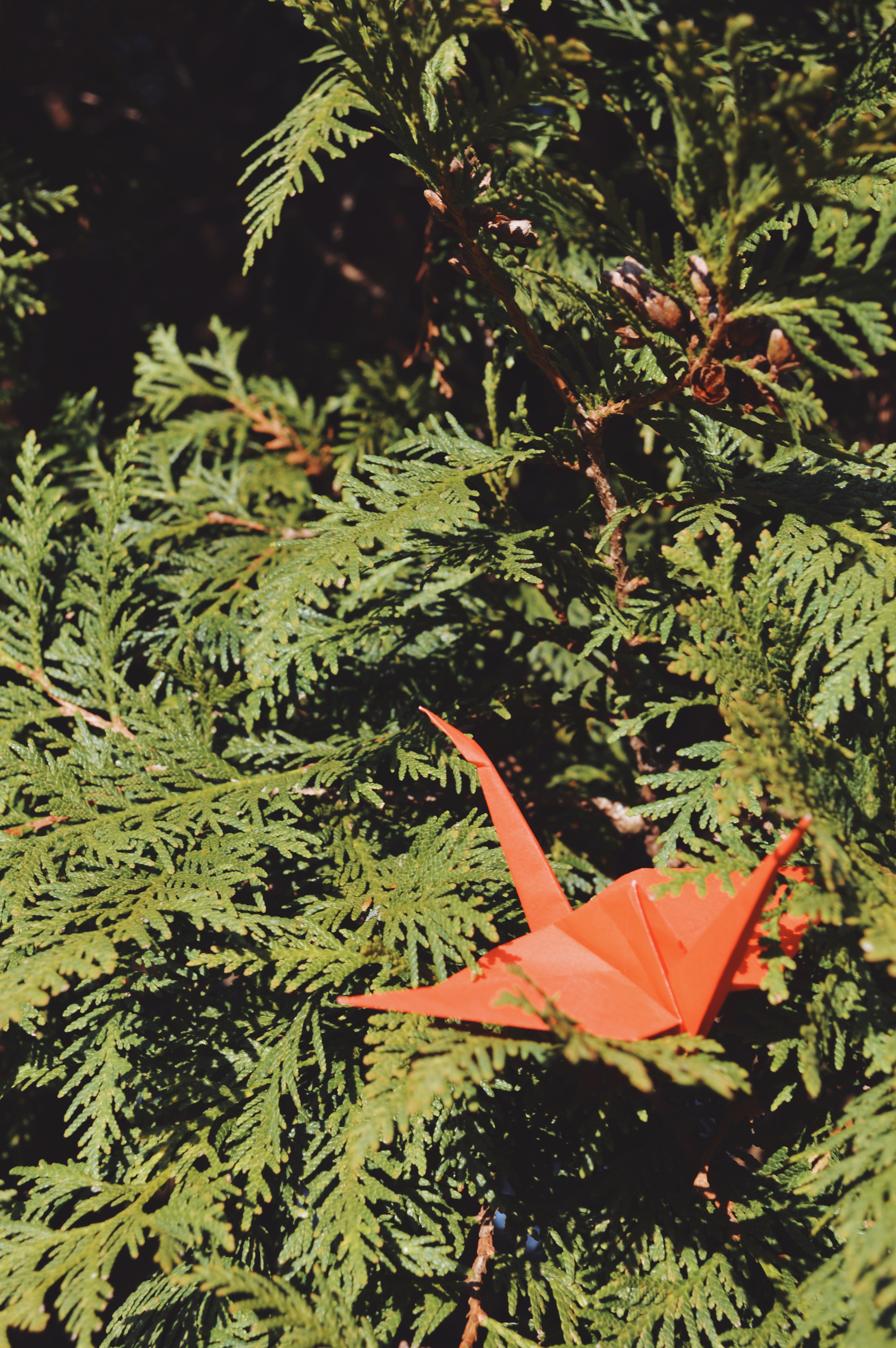
Trying her hand at a relatively new form of creative writing, Lexi Payton’s Capstone project is a 15,000-word novella in flash; a collection of short stand-alone pieces arranged to form a narrative. In her flash novella, Paper Cranes, Lexi contemplates what it means to be human, reflecting on her experiences with different people, places, and things. Lexi hones in on love and loss, and in her novella, she also reflects on her childhood as someone who endured many traumatic experiences. Remembering writing in her composition notebooks in the woods of her childhood neighborhood, Lexi considers writing to be healing—further detailing her process of healing through meditative and dreamy pieces of flash. Writing is not only a way for her to express her feelings, but it is also a way of connecting through the human experience, sharing her life with others willing to listen. Paper Cranes is an intimate collection of writings Lexi has created and adapted over the years.
︎︎︎Read a selection of stories
About the Author
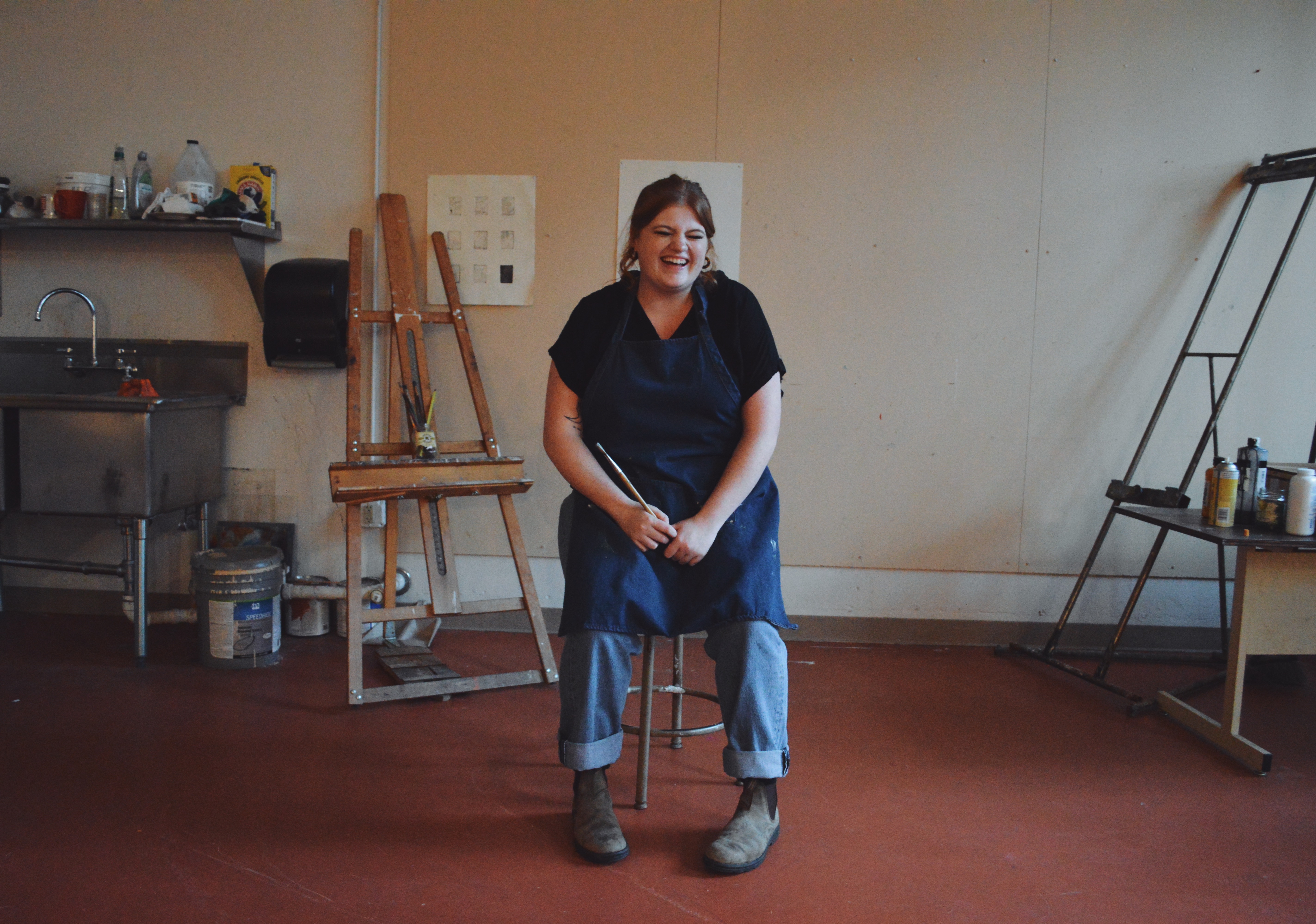
Lexi Payton is receiving her Bachelor of Arts from Antioch College with a self-designed major in Critical Pedagogy and Creative Writing. She is a sister, a daughter, a lover, a writer, a poet, an artist, and an aspiring educator. She views her life as an artistic exploration, forever following the wind, and where it takes her, she travels with her heart. Through this collection of flash pieces, she explores themes of love, loss, trauma, and healing. She enjoys collecting obscure mugs from thrift stores, shooting film, painting with watercolors, and stargazing. Paper Cranes is dedicated to the people who taught her to be a better lover.

Why Flash?
The novella in flash blends the brevity of short flash pieces with the arc of a novella, effortlessly mixing the quick and sustained into a whole. Flash is distinctive and powerful in its ability to capture fleeting moments with details focusing on specific memories, or occasionally objects. Like poetry, flash is an art, it is a “spark, the quick uptick, the unblurred moment” (Holland 3). It allows writers to focus less on the structure of pieces and more on the moment or feeling they’re trying to capture. I experience the magic of each day: the birds above me fluttering and floating seemingly without direction, the wildflowers that grow in an abundance of colors, shapes, and sizes, the moon and the stars that light up the entire sky with ease. In our world today, I think we are accustomed to ignoring the magic of every day, and in writing flash, I have learned to pay a bit more attention to the magic in the world. These small moments are meant to be big moments, and in the flash form, these moments are able to take up space they might not be able to in traditional literature.
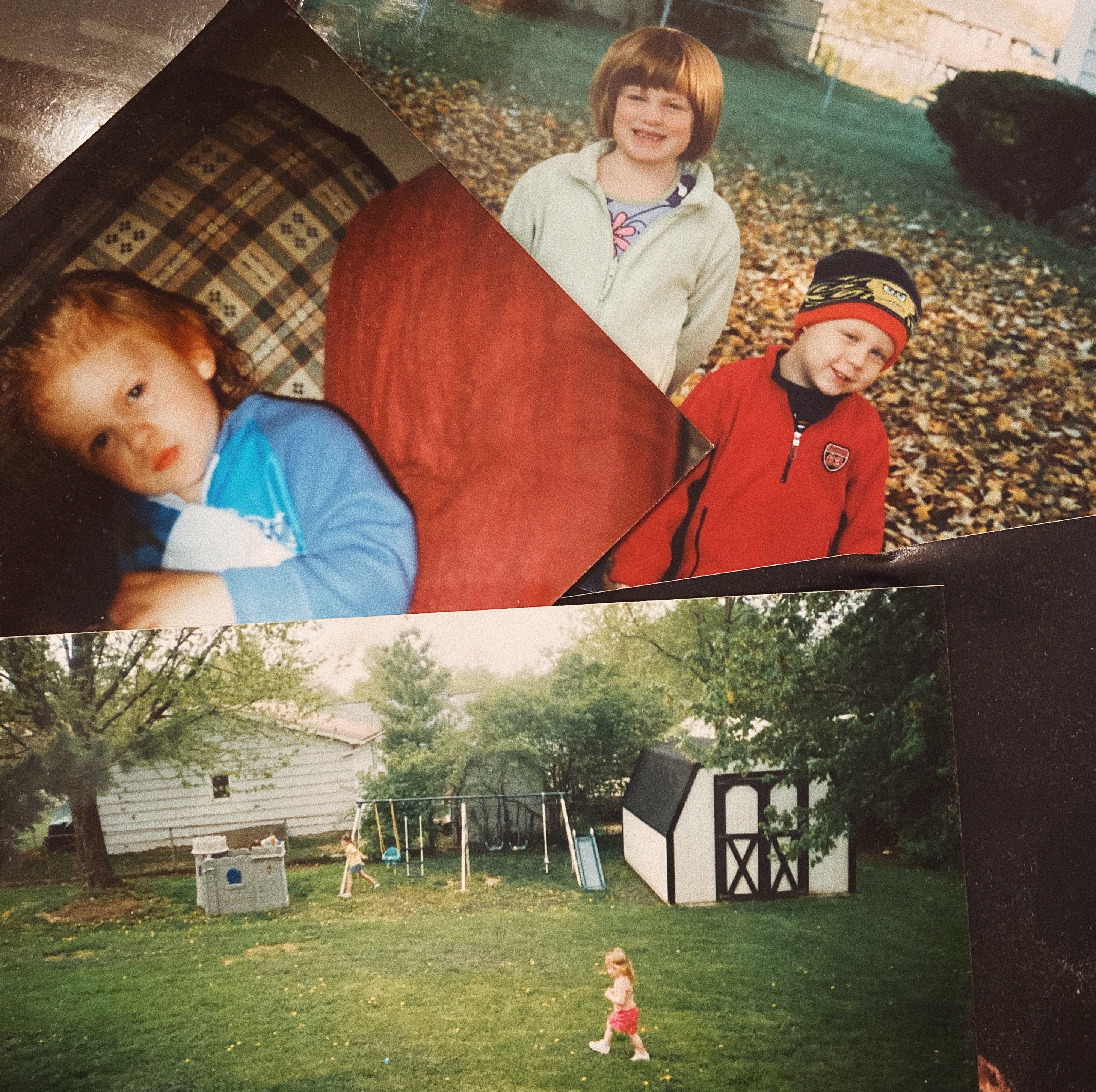
I began writing as a child as a way for me to rationalize and contemplate big feelings, and some of the writing in Paper Cranes are adaptations of previous writings. Flash allows the writer to get at the heart of each thought. What is more important than to actually care about the world around us, to be enthralled and bemused by our own experiences and existence within this time and space. What else needs to be said? What else needs to happen?
In writing flash, I have thought a lot about this form of writing, and what is most important when writing flash. I believe that successful flash requires believable or realistic characters and settings, a conflict or tension, a structure with some sort of resolution, and an editing hand. Flash is short; a glimpse in time or a particular moment, but it requires dedication to the piece as a whole, the characters, and the conflict.
Flash author Chris Bower writes:
In our lives, we are sometimes only allowed glimpses into other people’s lives, singular moments with characters we will never deeply know. How we twist and turn what we have seen or heard or felt into narratives has always been fascinating to me. I have always loved fragments because they give me permission to fill in the blanks, to imagine the rest, and I think the novella-in-flash was the next logical step, to take these tiny pieces, each with a stand-alone agenda and glue them into a larger story.
I believe that in writing flash, I have learned to deeply appreciate small moments that are meant to be big moments. In flash, magic exists.
Works Cited
Holland, Tiff, et al. My Very End of the Universe: Five Novellas-in-Flash and a Study of the Form. Rose Metal Press, 2014.
The novella in flash blends the brevity of short flash pieces with the arc of a novella, effortlessly mixing the quick and sustained into a whole. Flash is distinctive and powerful in its ability to capture fleeting moments with details focusing on specific memories, or occasionally objects. Like poetry, flash is an art, it is a “spark, the quick uptick, the unblurred moment” (Holland 3). It allows writers to focus less on the structure of pieces and more on the moment or feeling they’re trying to capture. I experience the magic of each day: the birds above me fluttering and floating seemingly without direction, the wildflowers that grow in an abundance of colors, shapes, and sizes, the moon and the stars that light up the entire sky with ease. In our world today, I think we are accustomed to ignoring the magic of every day, and in writing flash, I have learned to pay a bit more attention to the magic in the world. These small moments are meant to be big moments, and in the flash form, these moments are able to take up space they might not be able to in traditional literature.
I began writing as a child as a way for me to rationalize and contemplate big feelings, and some of the writing in Paper Cranes are adaptations of previous writings. Flash allows the writer to get at the heart of each thought. What is more important than to actually care about the world around us, to be enthralled and bemused by our own experiences and existence within this time and space. What else needs to be said? What else needs to happen?
In writing flash, I have thought a lot about this form of writing, and what is most important when writing flash. I believe that successful flash requires believable or realistic characters and settings, a conflict or tension, a structure with some sort of resolution, and an editing hand. Flash is short; a glimpse in time or a particular moment, but it requires dedication to the piece as a whole, the characters, and the conflict.
Flash author Chris Bower writes:
In our lives, we are sometimes only allowed glimpses into other people’s lives, singular moments with characters we will never deeply know. How we twist and turn what we have seen or heard or felt into narratives has always been fascinating to me. I have always loved fragments because they give me permission to fill in the blanks, to imagine the rest, and I think the novella-in-flash was the next logical step, to take these tiny pieces, each with a stand-alone agenda and glue them into a larger story.
I believe that in writing flash, I have learned to deeply appreciate small moments that are meant to be big moments. In flash, magic exists.
Works Cited
Holland, Tiff, et al. My Very End of the Universe: Five Novellas-in-Flash and a Study of the Form. Rose Metal Press, 2014.